

.svg)
Food Sovereignty in Practice: Lessons from Sioux Valley Dakota Nation
June 12, 2026
June 12, 2026
“We're probably like 30 minutes from the urban centre and those resources that are available to a lot of the people within the city aren't always available to community members,” shared Chief Jennifer Bone from Sioux Valley Dakota Nation, a Dakota Nation located along the Assiniboine River in southwestern Manitoba. “So it's really being able to problem solve and provide for our own community members, but at the same time, reclaiming our access to traditional foods as well and protecting our land.”
During the COVID-19 pandemic, lockdowns and public health isolation orders meant many community members could not safely leave their homes to shop for grocery or access essential supplies. In response, the Nation began organizing large-scale food deliveries to support households during periods of isolation.
“That’s kind of where everything started, right? And we started bringing in truckloads of eggs, produce, and French fries and all of those sorts of things.” Chief Bone explained.
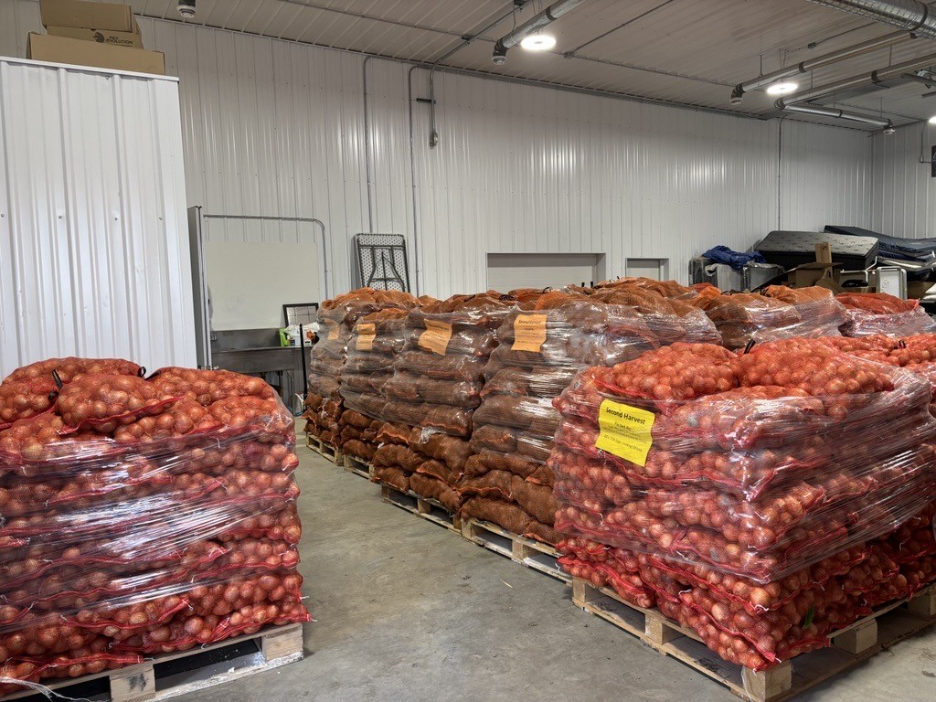
Through its partnership with Second Harvest, Sioux Valley Dakota Nation continues to coordinate deliveries of surplus food, helping ensure community members have access to produce they need.
Initially, food was distributed out of the band hall, but the scale of operations quickly outgrew the space.
“We recognized that we really needed space and somewhere as a distribution point,” Chief Bone said.
In response, Sioux Valley Dakota Nation built a dedicated facility behind the health centre that now serves as a central hub for receiving, unloading and distributing food.
But food security in the community is still shaped by ongoing structural barriers. Geographic distance from major grocery centres, high food prices, limited transportation and lack of access to fresh produce all continue to affect families. Even basic grocery trips require time, transportation and financial resources that are not always available.
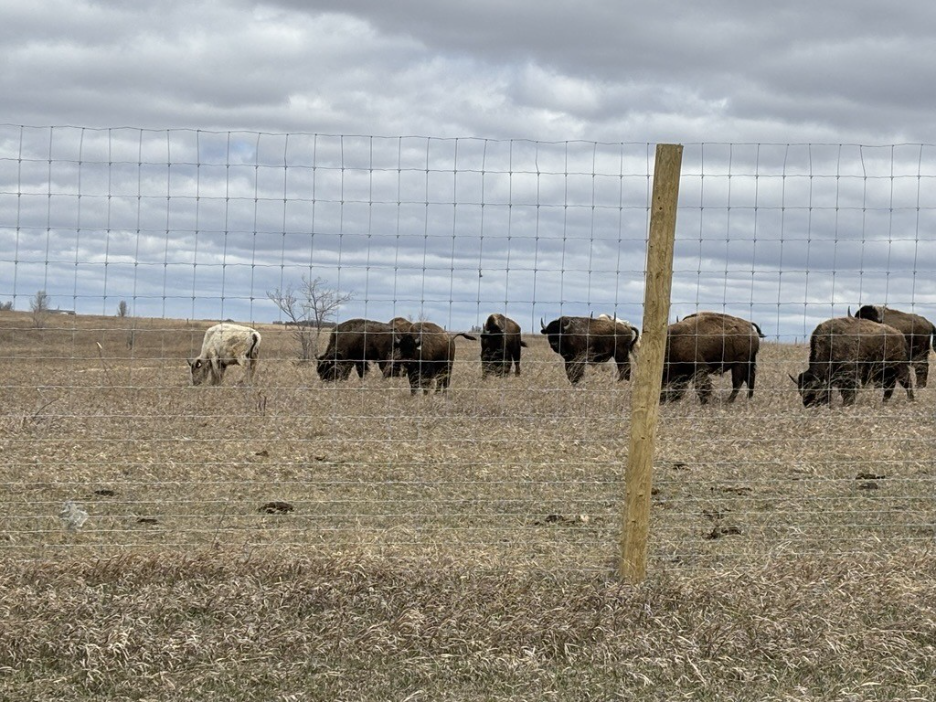
In addition to expanding food distribution efforts, the community has developed a range of complementary initiatives, including seasonal community gardens, fruit tree planting, food distribution partnerships with nearby First Nations and the purchase of farmland to support long-term food sovereignty goals. Traditional foods such as buffalo, corn, Saskatoon berries and chokecherries continue to play an important role in community gatherings, serving not only as sources of nutrition, but also of connection and cultural continuity. Students and young people also participate in land-based learning programs, garden work and seasonal employment opportunities.
“It’s really being able to define what our own food systems are … and reclaiming our access to traditional foods,” Chief Bone explained.
“It's supporting our community and cultural practices,” Chief Bone continued, “and ensuring those traditions continue through community-led solutions that honour our ways of living.”
The work being done in Sioux Valley Dakota Nation demonstrates how food sovereignty is not only about access, but about self-determination. Rooted in care, cultural knowledge and practical infrastructure, it is about relationships to land, community and one another — and the collective effort required to ensure that no one is left without care.


