

.svg)
How Canada’s Largest Wholesale Produce Terminal Extends the Value of Fresh Food
July 30, 2026
July 30, 2026
“Our goal is to feed people,” Gary Da Silva, chief operating officer at the Ontario Food Terminal Board, said.
As food prices continue to rise and supply chains become increasingly complex, there is a bustling hub on The Queensway in Etobicoke keeping fresh food moving: the Ontario Food Terminal.
Since 1954, the terminal has served as a central marketplace connecting farmers, wholesalers and buyers, helping ensure fresh food reaches communities quickly and efficiently.
“Food affordability is important; food security is important. That’s the foundation of this whole facility,” Gary said.
Food affordability is shaped by many factors, including market competition.
The terminal has conducted its own cost analysis and found that some California-sourced products are sold at lower prices in Toronto than in Vancouver, despite Vancouver's closer proximity to California.
“That’s why this place is critical. It allows for competition. You have cheaper food prices in Toronto because we exist,” Bruce Nicholas, general manager at the terminal, said.
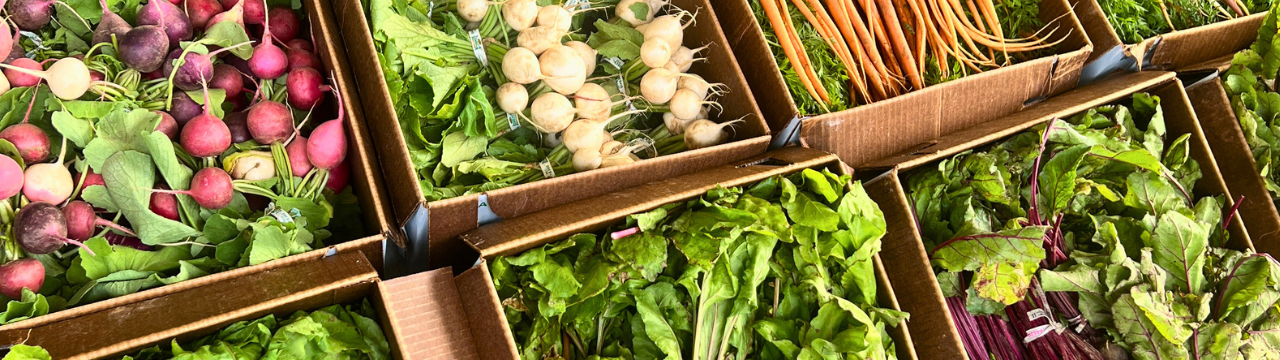
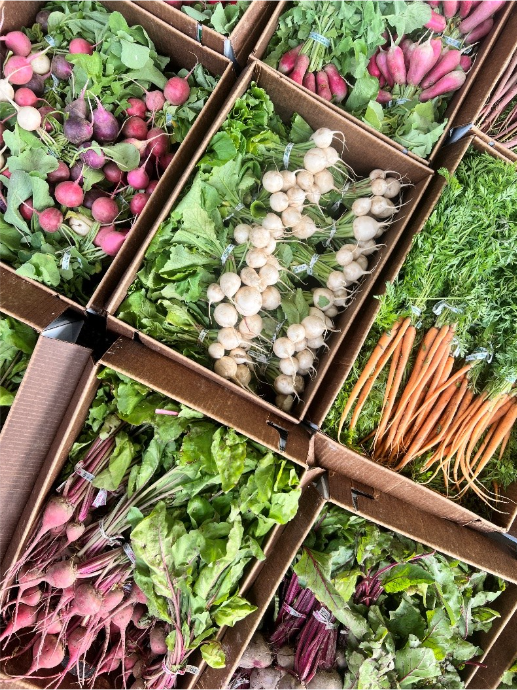
Because the terminal boasts fresh and high-quality produce, its food moves quickly. Products sold through the farmers' market are often harvested one day and available for purchase the next, making their way to store shelves shortly after.
But even in highly efficient markets, surplus is inevitable.
When products have approximately three to four days of shelf life remaining, the terminal encourages tenants to donate so that surplus produce can be moved into cold storage and quickly redistributed to non-profit organizations once it’s rescued through Second Harvest.
Since 2000, the Ontario Food Terminal has helped redirect more than 1.8 million lbs of fresh food to communities through donations from its tenants and wholesalers.
Companies at the terminal can also work directly with Second Harvest to make efficient food rescue part of their business operation. Long-time donors like Canadian Fruit and Produce Co. Ltd., Streef Produce Ltd. and J.E. Russell Produce exemplify what is possible when businesses prioritize redirecting surplus food.
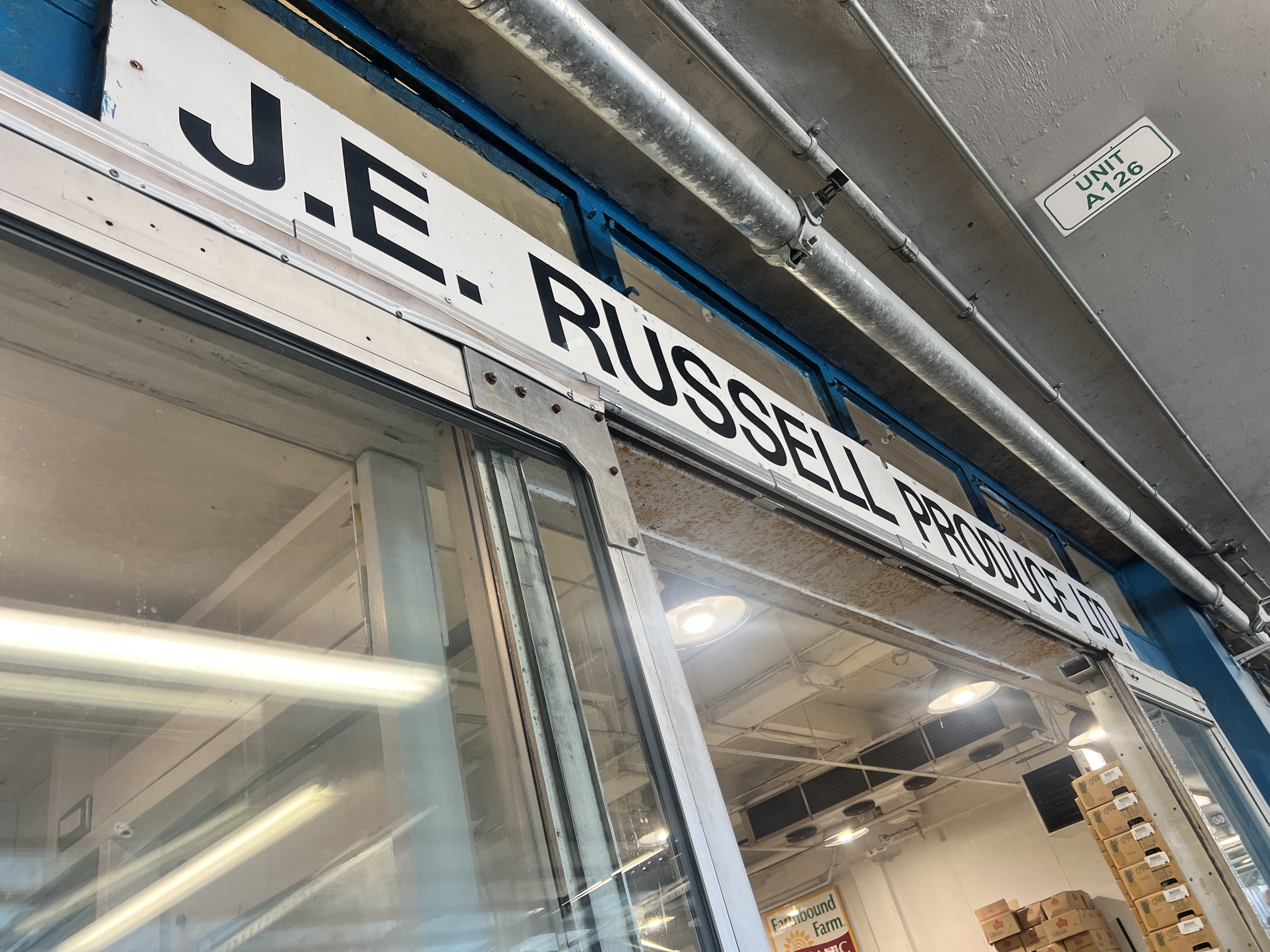
J.E. Russell Produce is known for its berries, leafy greens and packaged salads.
Its reputation is built on quality and consistency. Retail customers know when the freshest shipments are arriving, and many plan their purchases accordingly. But those expectations can sometimes create surplus, particularly for packaged products salad kits that carry date codes.
Knowing these date codes are not an indication of food safety, the company takes a thoughtful approach to how it redirects its food. By donating surplus product, they preserve its value while ensuring good food reaches people who can benefit from it.
“Down the supply chain, you're preventing waste by treating it with the value that it has,” Hutch Morton, senior vice president, business development at J.E. Russell Produce, said.
Hutch noted there is an intrinsic value in food distinct from its commercial value. Once food is sold at a discount, its perceived value can diminish.
“There's such hard work that goes into getting fresh fruits and vegetables onto the plates of Canadians,” Hutch said. “That product that's donated isn't going to become waste. We feel very comfortable and secure in that with Second Harvest.”
The company can rely on Second Harvest's network, cold-chain logistics and expertise to move fresh produce quickly to non-profit organizations feeding communities across Canada.
“We don't have to be experts in food rescue beyond making the determination that Second Harvest is the best partner and solution to our challenge. They can safely and efficiently move our donations to the next best use,” Hutch said.
Keeping Food Moving, Together
The Ontario Food Terminal has spent more than 70 years helping feed Ontario. Through partnerships with vendors like J.E. Russell Produce and organizations like Second Harvest, that impact extends even further.
Canada's newly announced National Food Security Strategy reflects a federal commitment to strengthening the country's food system, including a new $1 billion Food-Link Fund to support food infrastructure, wholesale marketplaces and regional food hubs.
For the Ontario Food Terminal team, that commitment reinforces the important role food infrastructure already plays in keeping communities fed.
Across Canada, non-profit organizations are an essential part of that infrastructure, managing food hubs, distribution networks, cold storage facilities and last-mile delivery systems that connect surplus food with communities facing food insecurity.
That’s why Second Harvest is asking for food rescue and food waste reduction measures to be included as part of the Food-Link Fund.
In a world where food affordability and access remain critical, keeping good food moving may be one of the most important things we can do.


