

.svg)
How Food Charities Are Responding to the Impacts of Extreme Weather
August 21, 2026
August 21, 2026
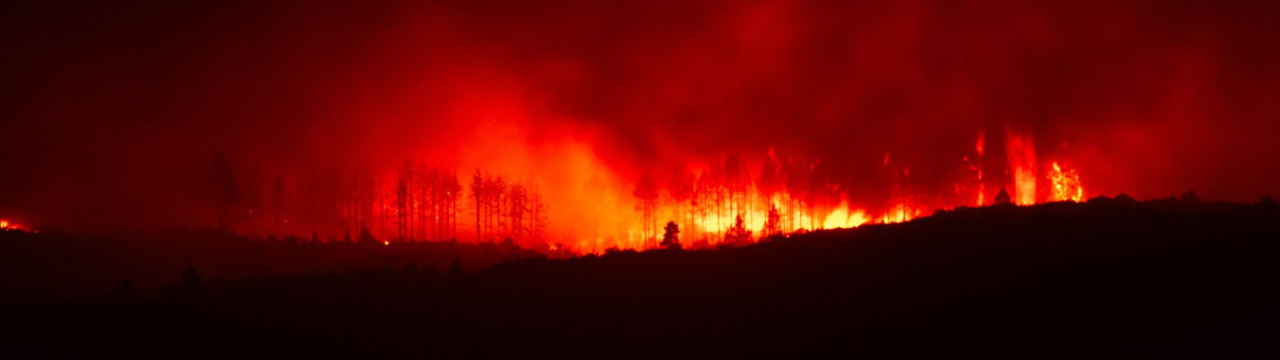
On July 12, the Thunder Bay 36 wildfire, the largest in Ontario’s history, began burning more than 315,000 hectares of Northern Ontario.
Wildfires are devastating for so many reasons. Their impacts on the food system are compounding and interconnected. In addition to labour and supply chain disruptions, thick, persistent smoke reduces sunlight, slowing photosynthesis and delaying crop maturity. This can affect the growth and size of crops, sometimes leaving perfectly good food outside retailer specifications and leading to unnecessary food waste, along with the environmental impact that comes with it.
Extreme weather events like heat and wildfire smoke also create barriers to food access and pose serious health and safety risks.
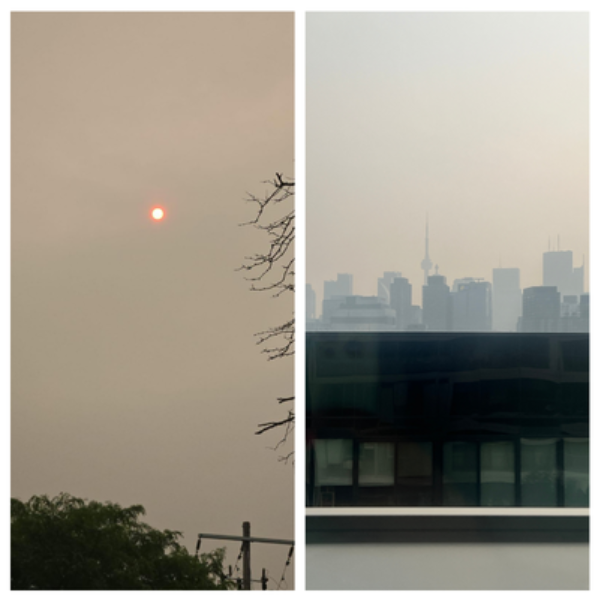
These impacts fall hardest on people experiencing homelessness, seniors and other vulnerable communities with limited options to find shelter, afford cooling or safely reach a grocery store. For people living in housing without air conditioning, protecting themselves from extreme heat can mean choosing between keeping windows closed to keep out wildfire smoke and opening them for ventilation and cooling.
In an effort to provide support, Second Harvest has been working with the City of Toronto to distribute about 250,000 bottles of water to more than 73 community-based organizations providing critical outreach services.
Ve’ahavta is one of those organizations, providing food and outreach to people living in difficult conditions. The Jewish social service organization operates two outreach vans, staffed by outreach workers and volunteers who serve 300 meals every shift to people sleeping outdoors, in shelters and in supportive housing facilities.
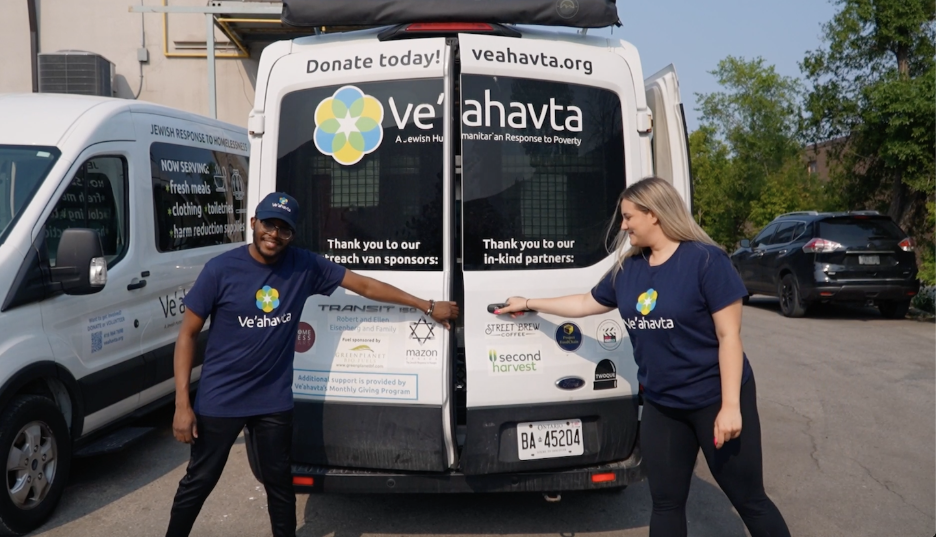
“Our outreach workers know almost everybody that they serve by name. They know all kinds of things about them because they've taken the time to develop true relationships with them. And that comes right down to how we serve coffee and food on the outreach van,” Cari Kozierok, CEO of Ve’ahavta, explained.
The first interaction between an individual and a volunteer on the outreach van starts with a simple question: How do you take your coffee?
“There's something incredibly powerful about that simple question. When somebody cares about how you prefer your coffee, it makes you feel seen and valued. It restores your humanity,” Cari continued. “That is our goal — to really convey the message that you are a human being. We care about you.”
The organization places a strong emphasis on building trust with the people they serve, creating an entry point to other services and supports. That sense of connection happens to a large degree through food, with Ve’ahavta’s team preparing high quality, nutritious meals, often using donated or rescued food.
One time their chef was able to use a donation of salmon from Second Harvest to put together 300 meals featuring salmon, rice and vegetables.
“When we're able to put out food of that quality, what we see happening is that folks are sharing their meals,” she continued. “Some of them open and eat the meals as soon as they get it from the van. Many people, especially in the warmer weather, sit down and have their meal with friends. Food creates connection between people and a sense of community.”
As extreme weather becomes more frequent and severe, this assembly of community and outreach work in general becomes harder to achieve.
For outreach workers, extreme heat can add an additional layer of urgency to their work: signs of heat stroke can overlap with signs of an overdose or other medical emergency, making it more difficult to immediately understand what someone is experiencing and determine how best to respond.
“I call us perverse optimists,” Cari said. “The resilience we see, I’m not sure it’s a great thing. It’s an adaptability to whatever is.”
When outreach van clients declined N95 masks despite the wildfire smog, Cari began to wonder whether the people Ve’ahavta serve had become so accustomed to difficult conditions that they no longer recognized the danger of poor air quality.
“It made me think about that frog in a pot of water analogy — the temperature keeps going up slowly, and you just adapt and adapt until the water boils you,” she explained.
That is the complicated side of resilience: the ability to adapt can help people survive difficult circumstances, but it can also make people accept circumstances that they shouldn't have to.
“The folks that we serve are incredibly resourceful, incredibly resilient, and they're really inspiring in that way,” Cari explained. “But there's a shadow side to resilience.”
That shadow side is becoming increasingly visible across Second Harvest’s network. Non-profit organizations are facing continuously increasing demand for food support while also navigating the impacts of extreme weather, rising costs and disruptions throughout the food system.
The challenges we face require systemic change — from how we produce and distribute food to how we prepare communities for increasingly extreme weather.
The actions we take today can address more than one challenge at once. Reducing food waste is one of the fastest, most cost-effective and highest-impact climate solutions available. Food rescue is a tangible way to make the most of the resources we already have, strengthen community connections and reduce the environmental impact.
When the challenges we face are connected and compounding, how we respond can be too.


